
Your monthly checklist
Pick a month to see what matters now. Tasks link to the guide that explains them. Checkmarks stay saved in this browser, so you can come back and finish later.
Season
Month
Turn on JavaScript to use the interactive checklist. The seasonal sections below cover the same tasks.
How the Colorado year actually runs
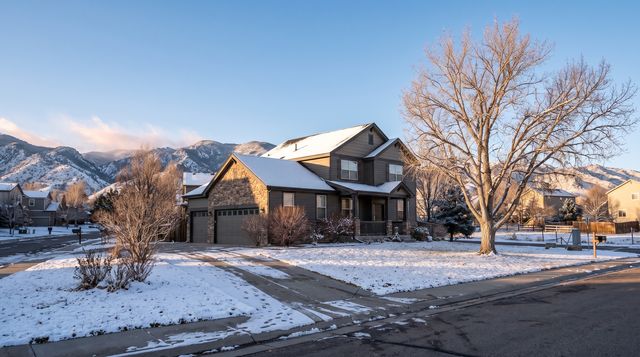
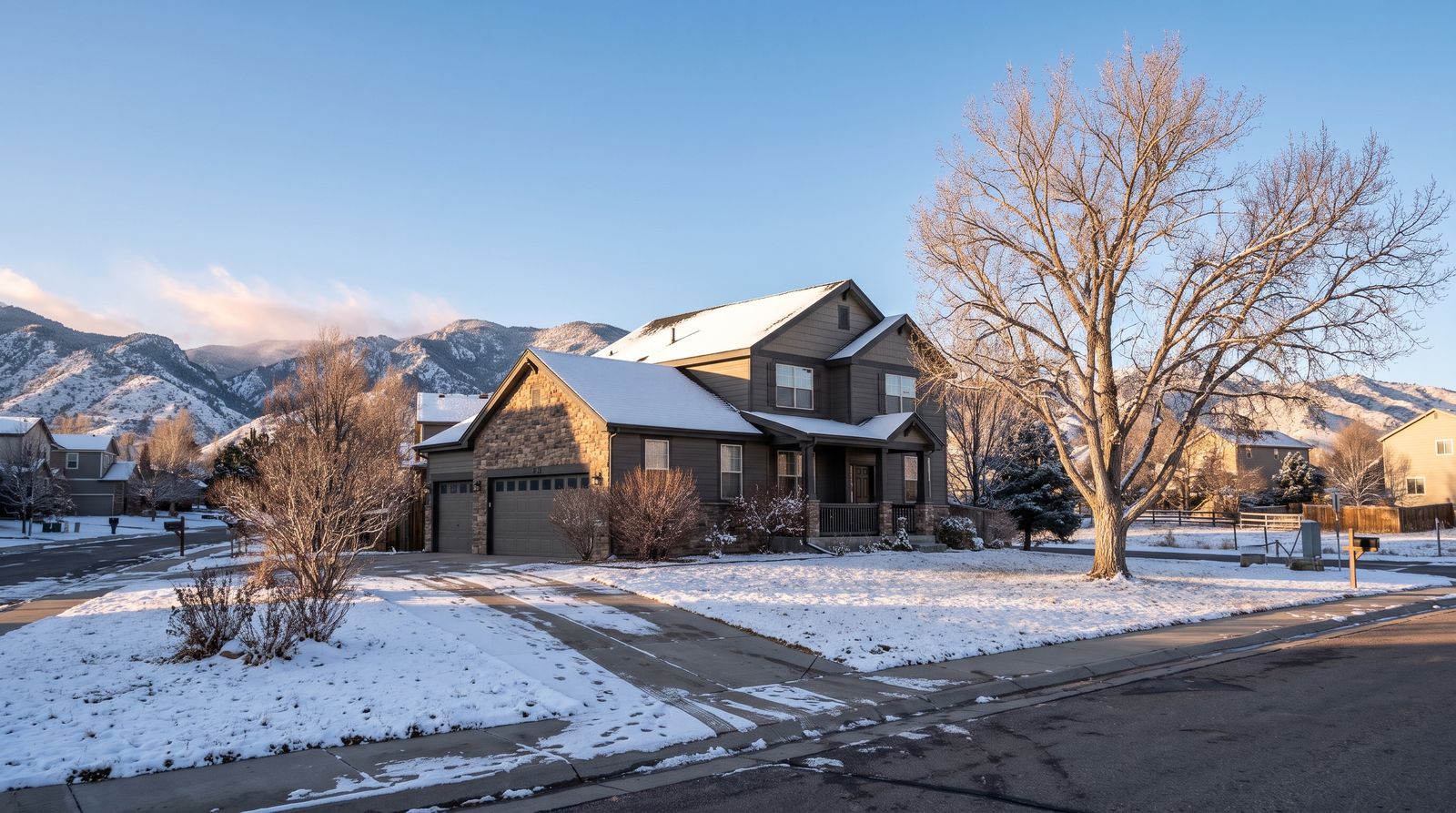
Most maintenance calendars split the year into four tidy seasons. Colorado does not cooperate. On the Front Range, winter shows up in October, leaves for a week of sixty-degree afternoons, then returns. March is often the snowiest month. Spring can swing from shorts weather to a foot of heavy snow in two days, and hail season starts before many people have put the snow shovel away.
So the useful question is not "what season is it?" but "what is the next thing that can hurt the house?" In fall it is freezing water. In late spring and summer it is hail and wind. All winter it is ice at the roof edge and pipes on exterior walls. Year round, it is the high-altitude sun slowly cooking paint and caulk on the south and west sides.
Plan your tasks a few weeks ahead of each threat, not after it arrives.
Winter: watch the edges
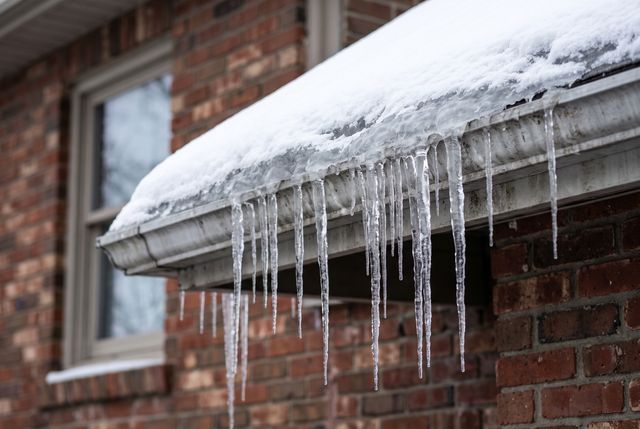
Winter work is mostly observation. After each storm, look at the roof edge from the street: thick ridges of ice along the gutters, or icicles hanging from behind the gutter instead of from its lip, point to heat escaping into the attic. Our guide to ice dams and freeze protection walks through the causes and fixes.
Inside, the attic tells you more than anything else. On a cold morning, take a flashlight up and look at the underside of the roof deck. Frost on nail tips, dark staining on the sheathing, or damp insulation all mean warm, moist house air is reaching a cold surface. The fix is usually air sealing at the ceiling, not more vents.
Winter checklist
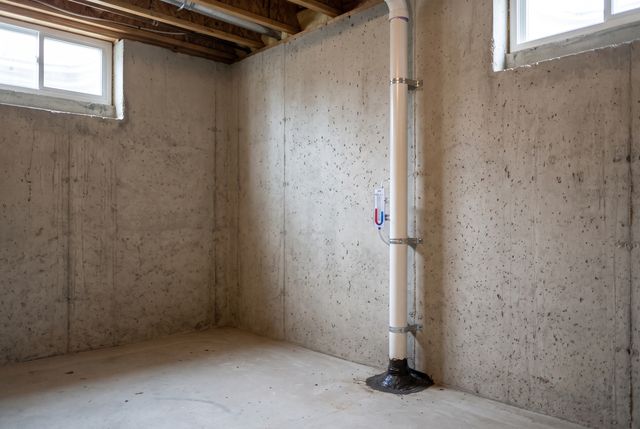
- Start a radon test while windows stay closed. The radon basics guide explains short-term and long-term kits.
- Keep snow off the gas meter and away from side-wall furnace and water heater vents. Blocked intake or exhaust pipes can shut down a high-efficiency furnace.
- Clear window wells so melt water does not pond against basement windows.
- Know where your main water shutoff is, and turn it once to be sure it moves.
Pipes in the garage or in a cabinet against an exterior wall freeze during cold snaps far more often than pipes in heated interior walls. On subzero nights, open those cabinet doors and keep the garage door shut.
Spring: drainage and patience
Spring maintenance on the Front Range is about where water goes. Heavy, wet snow melts fast in April sun, and every gallon that comes off the roof has to leave the foundation. Walk the perimeter during a melt. Note puddles near the walls, downspouts that discharge onto a flowerbed against the house, and soil that slopes toward the foundation.
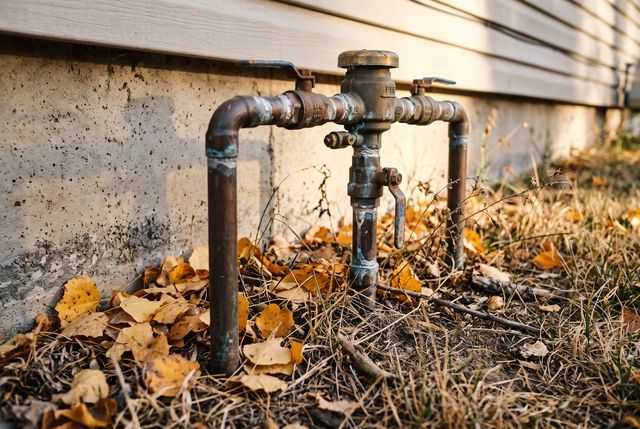
The other spring skill is patience with the sprinkler system. Warm April afternoons make it tempting to start irrigation, but a hard freeze after startup can crack the backflow preventer, the exposed brass assembly that usually sits near the foundation. Most experienced irrigation techs wait until hard freezes look unlikely, then open the main valve slowly to avoid water hammer. The sprinkler guide covers spring startup step by step.
Spring checklist
- Scan each roof slope from the ground with binoculars for lifted, creased or missing shingles.
- Re-caulk gaps where siding meets trim, windows and penetrations.
- Take dated baseline photos of the roof, gutters and siding before hail season.
- Book summer contractor work early. The contractor vetting guide helps you compare bids.
Summer: hail, sun and irrigation
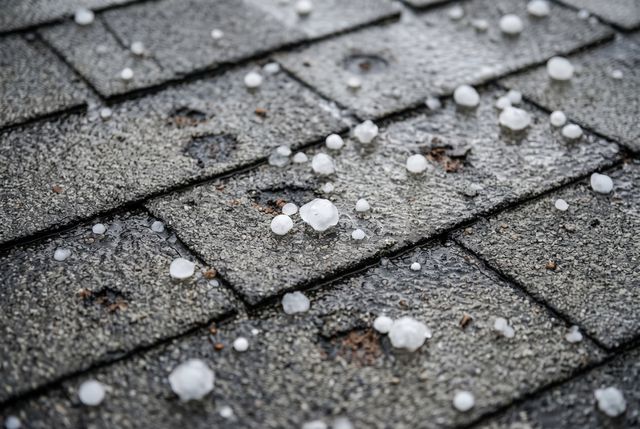
Late spring and summer bring the storms that generate most Colorado roof claims. You cannot prevent hail, but you can be ready to document it. After a storm, do a ground-level walk: look for dented gutters and downspouts, split window screens, chipped paint on the windward side, and shingle granules collecting at downspout outlets. The hail and roof guide includes an interactive post-storm checklist.
Summer sun is the slower threat. Ultraviolet exposure is higher at altitude, and south and west walls take the brunt. Chalky paint, peeling stain on fences and decks, and cracked caulk around windows are signs a refinish is coming. Note them now and book the work for late summer, when temperatures are steady enough for coatings to cure.
| Task | Reasonable to DIY | Worth hiring |
|---|---|---|
| Post-storm inspection | Ground-level walk, photos, binoculars | Anything that requires walking the roof |
| Irrigation tune-up | Head adjustments, catch-cup test, timer changes | Valve, wiring or mainline leaks |
| Deck refinish | Cleaning and stain on a small, sound deck | Structural repairs, ledger or rail problems |
| Exterior paint | Touch-ups on single-story trim | Full repaint, two-story work, lead-era homes |
Fall: get the water out
Fall is the most important maintenance season in Colorado, because almost everything on the list prevents a freeze failure. The core sequence is simple. Disconnect every garden hose: a hose left attached can trap water in a frost-free sillcock and split it inside the wall. Blow out or drain the irrigation system before the first hard freeze. Clean gutters after the main leaf drop so winter melt can run off. Have the furnace serviced before the first cold night, not during it.
- a hard freeze is in the forecast and the sprinklers are still charged
- shut off the irrigation water supply and drain the backflow preventer tonight, then schedule the blowout.
- a hose bib dripped all summer or leaks when off
- have it repaired before winter; a failing valve can freeze and leak inside the wall.
- the furnace has not been serviced in two years
- book it in September, while technicians still have openings.
Elevation changes the dates
The almanac above is tuned to the Front Range urban corridor. If you live in the foothills or mountains, shift fall tasks earlier and spring tasks later, sometimes by several weeks. Higher homes also deal with heavier snow loads, longer ice-dam seasons and, in many areas, wildfire risk. On the eastern plains, wind and hail are often the bigger concerns. Use local frost-date information from your county extension office or a nearby weather station to fine-tune the calendar.
Keep a simple house log
A one-page log beats a perfect memory. Record the date and result of each radon test, when the furnace was serviced, when the roof was last inspected, and the date of any storm that hit the neighborhood. Add photos. When you sell, file an insurance claim, or hire a contractor, that log answers questions in minutes instead of days.
If you only do three things this year: test for radon, take baseline photos of the roof before hail season, and get the water out of the irrigation system before the first hard freeze.
Common questions
When should I winterize a house in Colorado?
Most of the work belongs in late September and October, before the first hard freeze. Disconnect hoses, drain or blow out irrigation, service the furnace and clean gutters after the main leaf drop. In the mountains and on the high plains, plan for earlier freezes than Denver gets.
How often should gutters be cleaned on the Front Range?
At least twice a year: once in late spring after seed pods and blossoms drop, and once in late fall after leaves. Homes under cottonwoods or large maples often need a third pass. Clean gutters matter more here because winter melt has to drain somewhere on sunny afternoons.
Is a whole-house humidifier a good idea in Colorado?
It can make winter air more comfortable, but too much humidity condenses on cold windows and inside attics. If you see water running down glass or frost on attic nails, turn the humidity down. A simple hygrometer helps you find the setting your house tolerates.
What maintenance gets skipped most often?
Dryer vent cleaning, checking that downspouts actually discharge away from the foundation, and testing for radon. None of them are hard, and all three can prevent expensive or unhealthy problems.
Planning a bigger project this season?
Send a note about what you are weighing. It helps decide which topics these guides cover next.