
How ice dams form
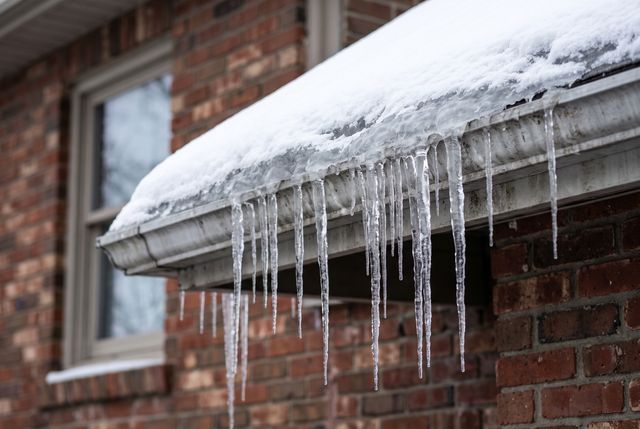
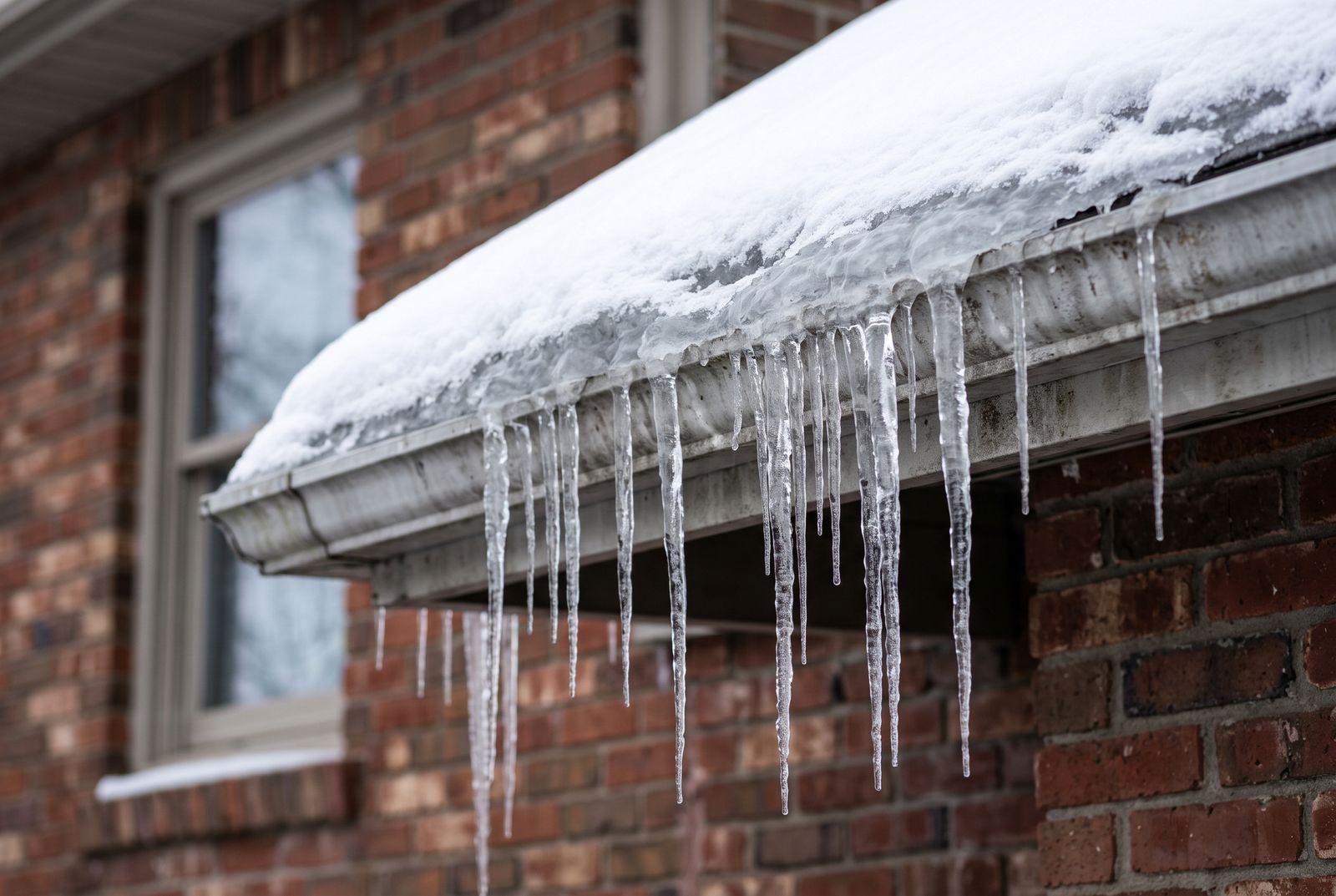
An ice dam is a ridge of ice at the roof edge that stops melting snow from draining. It needs three things: snow on the roof, a roof surface above freezing higher up, and a roof edge below freezing. Warm air leaking from the house into the attic heats the upper roof deck. Snow there melts, water runs down under the snow blanket, reaches the cold overhang that sits outside the heated envelope, and freezes. Each cycle adds to the ridge, and eventually water pools behind it and works up under the shingles.
Colorado's sunny winter days speed this along, especially on south-facing slopes and on roofs over vaulted ceilings or poorly sealed attics. You will often see dams on one part of a house and not another, which is a useful clue about where heat is escaping.
The overhang is cold because nothing heated sits under it. The roof above the living space is warm because the house is leaking heat into the attic. Ice dams live at the border between the two.
Diagnose what you are seeing
Pick everything that matches your house. The tool explains what each symptom usually points to.
Ice and attic symptom picker
Select all that applyWhat that usually points to
Fix it in the attic, not on the roof
The durable fix for ice dams is to keep the attic cold: seal the air leaks from the house, add insulation where it is thin, and make sure the attic is ventilated as designed. Air sealing comes first, because a lot of attic heat arrives by moving air, not by conduction through insulation. Common leaks include recessed light cans, bath fan housings, plumbing and wiring holes in the top plates, chimney chases, and the attic hatch itself.
Once the leaks are sealed, insulation does more good. Many older Front Range homes have far less attic insulation than current energy codes ask for in new construction. An energy auditor or insulation contractor can measure what you have and recommend a target. Some Colorado utilities have offered rebates or audit programs over the years; check your utility's site for what is current.
| Approach | What it does | Limits |
|---|---|---|
| Air sealing the ceiling | Stops warm, moist air reaching the roof deck | Needs careful work around fixtures and flues |
| Adding insulation | Slows heat flow into the attic | Less effective if air leaks remain |
| Ventilation fixes | Keeps the roof deck closer to outdoor temperature | Will not overcome major air leaks |
| Heat cables | Keeps a drainage channel open at the eaves | Uses electricity, treats a symptom, can fail unseen |
| Roof raking | Removes the snow that would feed the dam | Only the lower few feet, from the ground |
Protect the eaves when the roof is replaced
When a roof is replaced, the eaves deserve extra protection. Self-adhered ice barrier membrane under the shingles along the eaves is a standard defense in snow country, and building codes in many jurisdictions require it in cold climates. Ask any roofing bidder how far up the roof they run the membrane, whether it covers valleys, and how they handle the drip edge and gutter apron. Our hail and roof guide covers other questions for roof replacement.
When ice is already there
If you have an active leak, the priority is limiting damage. Catch the water, move belongings, and photograph everything. A long-handled roof rake used from the ground can pull the lower few feet of snow off the roof so less melt reaches the dam. Do not climb an icy ladder and do not chip at the ice; it damages shingles and gutters.
Professional ice-dam removal typically uses low-pressure steam, which cuts channels through the ice without harming the roof. If you hire it out, ask how they protect shingles and gutters, and whether they carry liability insurance. The contractor vetting guide covers what to confirm.
Rock salt on the roof corrodes metal and harms plants below. Hatchets, picks and pressure washers damage shingles. Leave the ice alone or have it steamed.
Heavy snow on roofs and trees
Late-season storms on the Front Range often bring dense, wet snow that is far heavier than January powder. Most homes built to code handle normal loads, but drifting near higher walls, valleys and lower roofs can concentrate weight. Signs of trouble include sagging ceilings, doors that suddenly stick upstairs, or cracking sounds. If you see those, get people out of the area and call a professional.
Trees are more often the problem. Gently brush heavy snow off shrubs and young trees, especially those still in leaf during an early fall storm. Keep away from limbs over power lines and call the utility for those.
Pipes and hose bibs
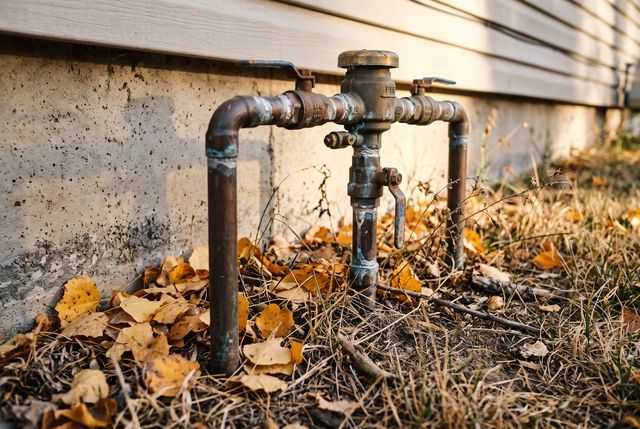
Arctic air pushes down the Front Range a few times most winters, and the pipes that freeze are predictable: those in exterior walls, crawl spaces, garages, and cabinets on outside walls. During cold snaps, open cabinet doors, let a faucet on an exterior wall drip, and keep the garage closed.
- Disconnect hoses in OctoberA frost-free sillcock only works when the hose is off. Store hoses and splitters indoors.
- Find the main shutoffMake sure everyone in the house knows where it is and that it turns.
- Insulate exposed pipesFoam sleeves on pipes in garages and crawl spaces are cheap and quick.
- Plan for tripsKeep heat on, and arrange for someone to check the house during long absences.
If a pipe freezes, shut off the water before it thaws if you can, open the faucet it serves, and warm the area gently with a hair dryer or space heater placed at a safe distance. Never use an open flame. If it has already split, a licensed plumber is the right call; plumbers are licensed by the state in Colorado.
Common questions
Do heat cables stop ice dams?
Heat cables can keep a drainage path open along the eaves and gutters, which reduces backup. They do not fix the cause, which is heat leaking into the attic. Think of them as a targeted fix for a problem area, not a cure, and have them installed according to the manufacturer's instructions.
Should I chip ice off the roof?
No. Chipping or hammering ice damages shingles and gutters and is dangerous on a ladder. If an ice dam is actively leaking, a roofing or snow-removal professional can steam it off safely. Long term, the attic is where the fix belongs.
Are frost-free hose bibs really frost-free?
Only when the hose is disconnected. A frost-free sillcock shuts off the water inside the heated wall and lets the outer section drain. A hose left attached traps water in that section, which can freeze and split the pipe inside the wall, often unnoticed until spring.
What temperature should I keep the house at when I travel in winter?
Many plumbers and insurers suggest not setting the thermostat very low while away, and having someone check the house during long trips or cold snaps. Check your homeowner policy, which may have conditions about heat and unoccupied homes.
Dealing with ice or a winter leak right now?
Tell us what you are seeing. You will get general guidance on what to check and who to call.